
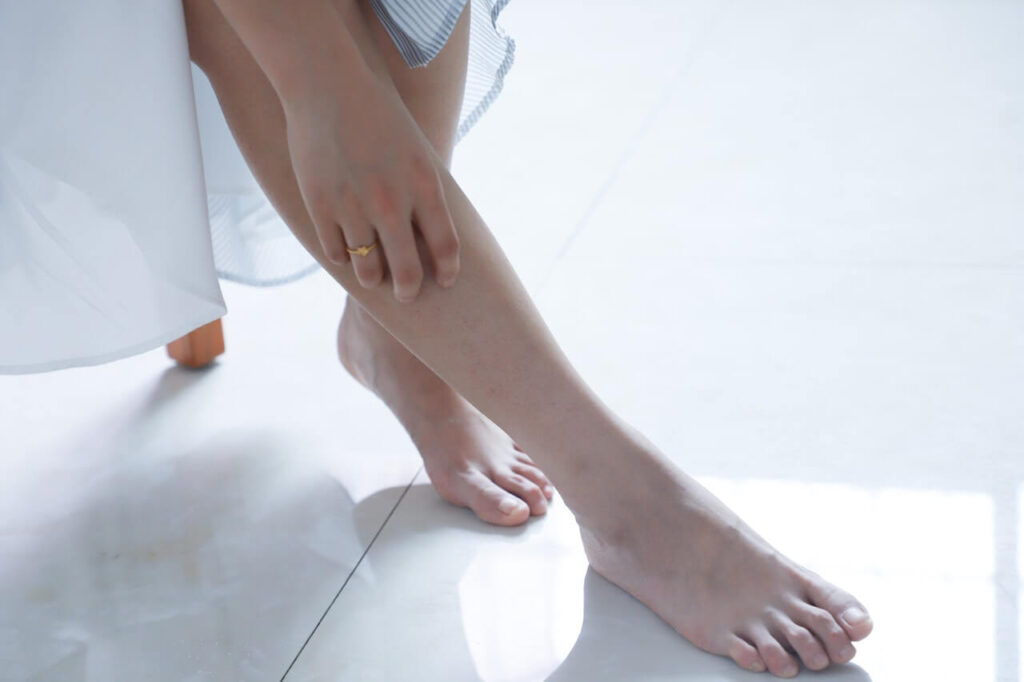
To sell feet pics without getting scammed, use a dedicated platform with built-in payment protection, never send content before receiving payment, and keep your personal identity completely separate from your seller profile.
That’s the short answer. But the reality of safely navigating this market involves understanding the most common scam tactics, choosing the right selling channel, and setting up proper boundaries from day one.
Why Scams Are Common When Selling Feet Pics
The feet pic market operates largely through direct transactions and niche platforms. That combination — digital products plus relatively anonymous buyers — creates fertile ground for fraud. Sellers are often new, unfamiliar with online payment risks, and eager to make their first sale. Scammers know this.
Most scams target sellers, not buyers. That’s the counterintuitive part. The person selling the content is usually the one at risk of losing money, having their identity exposed, or sending content without getting paid.
Most Common Feet Pic Scams to Watch For
Understanding how scams work is the best defence against them. Here are the tactics you’ll encounter most frequently.
Fake Payment Screenshots
A buyer sends what appears to be a PayPal or Cash App confirmation showing they’ve paid. It’s a doctored image. The money never actually arrived. Always verify payment in your actual account — not from a screenshot someone sends you.
The “Free Sample” Trap
Buyers request a sample photo to “see your quality” before committing. This is almost always a tactic to get free content. Legitimate buyers don’t need unpaid previews — a watermarked portfolio is sufficient.
Overpayment Scams
A buyer “accidentally” sends more than the agreed price and asks you to refund the difference. The original payment is fraudulent and gets reversed, leaving you out of pocket for the refund you sent.
Phishing and Identity Harvesting
Some buyers request personal details under the guise of payment processing — your real name, address, or bank details beyond what’s needed. No legitimate transaction requires your home address or government ID.
Off-Platform Payment Requests
A buyer insists on paying through a method outside the platform you’re using. This strips away any seller protection the platform offers and leaves you exposed.
| Scam Type | How It Works | How to Avoid It |
| Fake payment screenshot | Doctored confirmation image sent before content | Verify payment in your actual account only |
| Free sample request | Buyer asks for free pics before purchasing | Offer watermarked previews; never send unpaid content |
| Overpayment scam | Buyer sends excess, asks for refund; original payment reverses | Never refund overpayments; ask buyer to resend correct amount |
| Phishing | Buyer requests unnecessary personal details | Never share name, address, or ID beyond platform requirements |
| Off-platform payment | Buyer pushes for payment outside the platform | Keep all transactions on the selling platform |
How to Sell Feet Pics Without Getting Scammed: Platform Selection
Your platform choice is the single most important safety decision you’ll make. Dedicated feet pic marketplaces offer built-in protections that social media and general freelancing sites simply don’t.
Dedicated Feet Pic Platforms
Platforms like FeetFinder and FunWithFeet are specifically designed for this market. They typically verify buyer identities, process payments through the platform, and provide messaging systems that keep your personal contact information private. The trade-off is a commission fee — usually around 20% — but that’s the cost of not having to manage payment security yourself.
Subscription Platforms
OnlyFans and Patreon allow you to sell feet content through a subscription model. These platforms handle payment processing and offer some seller protection, though they weren’t built specifically for the feet pic niche. They work well for sellers who want to build recurring revenue rather than one-off sales.
Social Media (Higher Risk)
Selling through Instagram, Twitter, or Reddit is possible but significantly riskier. These platforms don’t offer seller payment protection, and you’ll need to handle transactions directly — which is where most scams happen. If you use social media for marketing, direct buyers back to a secure platform for the actual transaction.
Protecting Your Identity While Selling
Privacy isn’t optional in this business. It’s foundational.
Use a pseudonym that has no connection to your real name. Create a dedicated email address solely for your selling activity. Never show your face in photos. Strip metadata from your images before uploading — most phone cameras embed GPS location data into photo files, which is something many new sellers don’t realise.
Use plain backgrounds in your photos. A distinctive rug, a recognisable piece of furniture, or a visible street through a window can all compromise your anonymity. Seasoned sellers in practice treat every photo as a potential privacy leak and review backgrounds carefully.
Also Read: Adrien Nunez Net Worth
Setting Up Secure Payment Methods
Not all payment methods offer equal protection for digital content sellers.
Platform-processed payments are the safest option — the platform holds funds until delivery is confirmed, and buyers can’t reverse payments arbitrarily. If you must accept direct payments, avoid methods with high chargeback vulnerability. PayPal Goods & Services, for instance, has a notoriously high chargeback rate for digital content. Venmo offers no seller protection at all.
Gift cards are almost always a scam when offered as payment. The reversal rate on gift card payments is extremely high, according to data from the FTC on gift card fraud. If a buyer insists on paying with gift cards, that’s a clear red flag.
Cash App and direct bank transfers are acceptable for established buyer relationships but carry more risk than platform-processed transactions for first-time sales.
Setting Terms and Boundaries
Treat this like a business, because it is one. Set clear terms before any transaction: what type of content you create, your pricing, your turnaround time, and what you won’t do.
Put these terms in your profile bio or pinned post. When a buyer’s request doesn’t align with your boundaries, decline without apology. According to reporting from Forbes on the creator economy, sellers who establish firm professional boundaries tend to attract more reliable buyers and experience fewer problematic interactions.
If something feels wrong — an overly pushy buyer, a payment method you’re not comfortable with, a request that escalates beyond what was agreed — trust that instinct. No single sale is worth compromising your safety or financial security.
Conclusion
Selling feet pics safely comes down to platform choice, payment discipline, and identity protection. Use dedicated marketplaces, never send content before payment clears, and treat every interaction as a business transaction with clear boundaries.
Frequently Asked Questions
Is selling feet pics legal?
Yes, selling feet pics is legal in most countries. It’s a form of content creation. However, check local regulations around online sales and income reporting.
How much can you charge for feet pics?
Prices typically range from $5 to $100 per image depending on quality, customisation, and demand. Custom content commands higher prices.
Can you sell feet pics anonymously?
Absolutely. Use a pseudonym, separate email, and a platform that doesn’t require you to share personal details with buyers.
What if a buyer threatens to expose my identity?
Block them immediately and report the behaviour to the platform. If threats escalate, consult local law enforcement.
Do I need to pay taxes on feet pic income?
Yes. Income from selling feet pics is taxable in most jurisdictions. Track your earnings and consult a tax professional.